
A nuclear disaster
On the 26th of April, 1986, the world witnessed the worst nuclear catastrophe in history. Reactor 4 at the Chernobyl Nuclear Reactor erupted and released horrific masses of radiation, razing the surrounding environment into a desolate wasteland and leaving a legacy of destruction that holds to this day. This wasn’t just a tragedy, it was a lesson in human error, faulty design, and the terrifying potential nuclear energy had if mishandled.
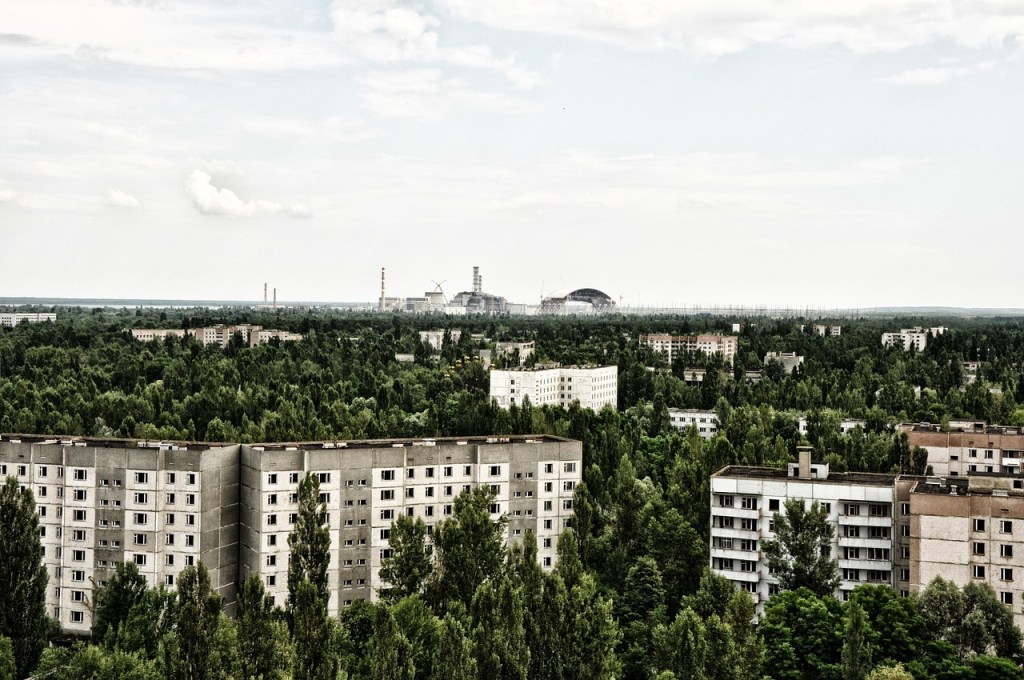
This all began with a simple routine test to see if the backup electricity could be correctly provided. This quickly spiraled out of control, with a combination of poor reactor configuration and incorrect operation leading to the power levels falling below a threshold: possibly history’s most significant ‘oh crap’ moment. In a frantic attempt to return power levels to an ample amount, the workers ended up removing too many control rods – the exact things that are made to regulate power levels. At 1:23 am, an uncontrollable chain reaction occurred, leading to… you guessed it. Boom.
The core of the reactor was then left exposed, spewing out deathly radioactive materials into the air. A second explosion followed close behind, leaving the sky lit up with a fireball. Within seconds, Chernobyl had become a nuclear cataclysm.
The first response from the workers was to run in, thinking it was just a fire. In reality, they were bombarded by lethal doses of radiation. Many would perish in the weeks following due to acute radiation poisoning.
The true horror, however, came with the radioactive fallout. Clouds of deadly radioactive material had been shot up into the atmosphere, with the wind carrying this into Europe. In Pripyat, the nearby city built for the workers at Chernobyl, many residents continued living their everyday lives, unaware that they were amid radiation that was several times stronger than usual. 36 hours later, the evacuation order was given, with expectations being that they would return soon. Of course, they never did.
The truth of this event wasn’t immediately spread as expected. The Soviets weren’t exactly eager to admit to what happened. They kept the truth wrapped up for as long as possible, but this couldn’t be hidden forever. A few days later, a Swedish nuclear plant detected unusually high levels of radiation. This was traced back to the Soviets, and with this, the Kremlin had no choice but to admit to the incident occurring. Even so however, they did downplay the true severity of the situation. It wasn’t until 3 weeks after the disaster that the Soviet leader Mikhail Gorbachev publicly addressed the incident. By then, however, the damage had already been done.
The containment procedure was one of the greatest challenges in the tragedy. Radioactive debris lay scattered around the reactor, an uncontrollable fire was continuing inside. Sand and boron were dropped via helicopters in an attempt to contain the fire and absorb the radiation. Then came the liquidators: hundreds of thousands of soldiers, firefighters, engineers, and volunteers tasked with the dangerous job of cleaning the site. With little more than lead aprons, these men and women worked in highly radioactive conditions. Amongst the multitude of assignments that required addressing, one of the most hazardous was shoveling radioactive granite from the roof of the reactor. The radiation was so high that workers could only stay for around 90 seconds before a retreat was needed to prevent fatalities. A giant concrete sarcophagus was built around it to seal off the radiation, which was later replaced with a more advanced structure known as the New Safe Confinement.
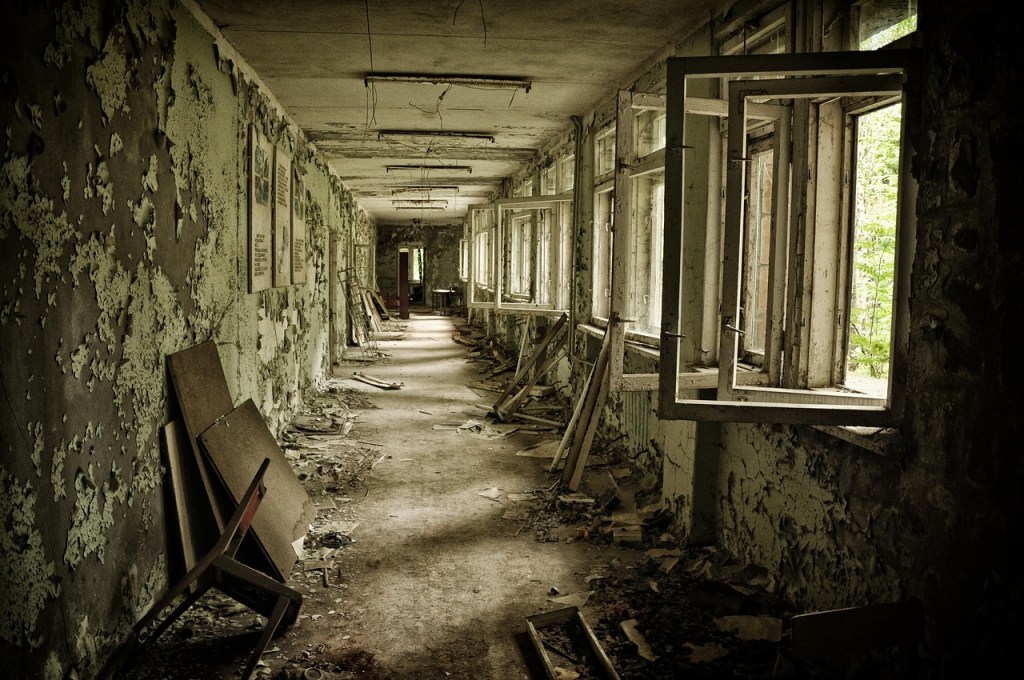
The full impact of Chernobyl is difficult to assess. Official Soviet reports claim that only 31 people perished directly from the explosion and radioactive decay that followed. Despite this, experts estimate that the actual value of victims could be in the tens of thousands, dying from long-term radiation diseases such as cancer.
Then we have to also look at the impact on the environment. The 30 km Chernobyl Exclusion Zone remains one of the most radioactive sites on the planet, with nature reclaiming the lands and resulting in an eerie, post-apocalyptic setting.
However, the site is not fully lifeless. Some former habitants, mostly the elderly, have returned to their original homes, radiation be damned. Now, the nearby sites are tourist locations, attracting visitors with the chilling history and the ghostly remains of a once thriving city.
The whole event is a frightening reminder of nuclear safety. Human mistakes, faulty design, and unnecessary secrecy were what the disaster was born out of. It exposed flaws in the Soviet nuclear program, and Gorbachev later admitted that Chernobyl contributed to the fall of the Soviet Union itself. Nowadays, nuclear regulations have been harshly tightened, with far more safeguards in place to prevent such a catastrophe from ever happening again. Still, the Chernobyl Disaster serves forever as an unsettling example of the terrifying consequences of mishandled nuclear energy.

 Chronicles of History
Leave a comment