Australia vs A Bird
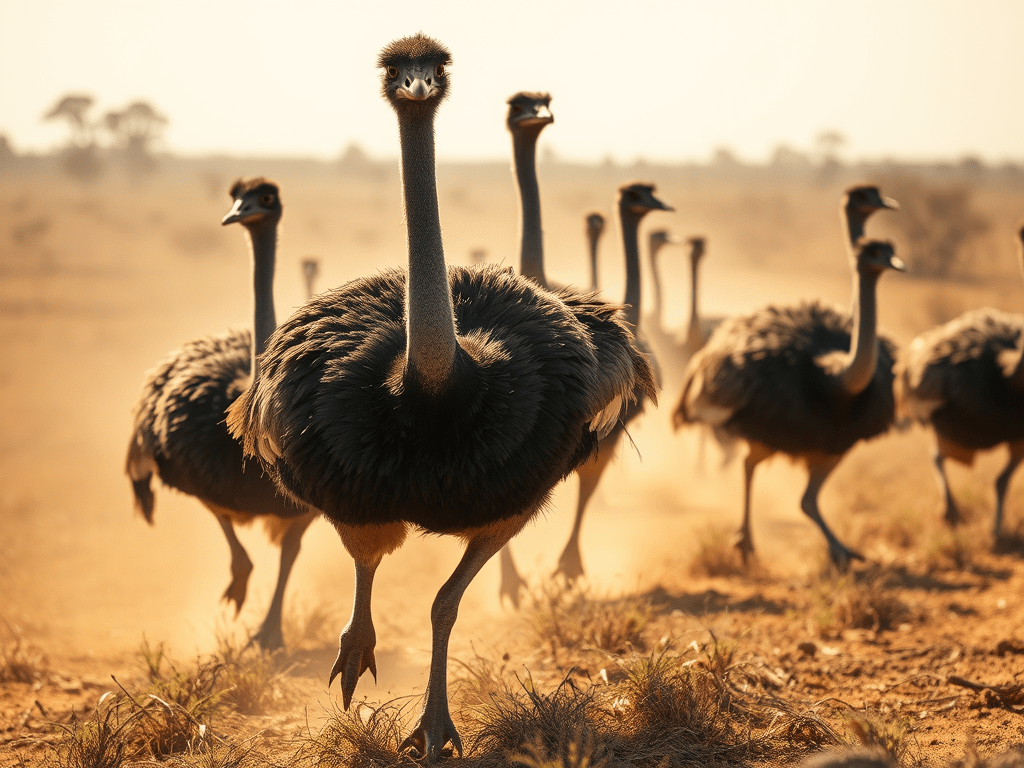
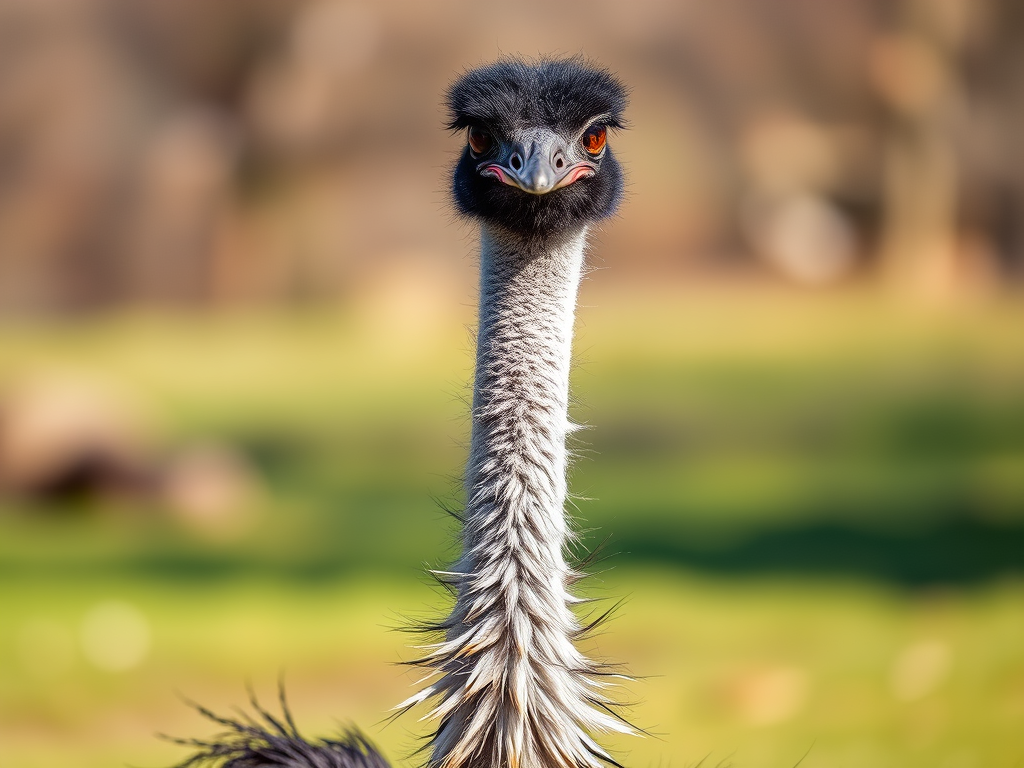
The emu is a 6-foot-tall flightless bird that has roamed the arid outback of Australia for thousands of years. In 1932, this generally peaceful animal faced the most dangerous species on Earth: us—or more specifically, the Australians.
What caused this seemingly ridiculous event? Despite their fairly docile behaviour, the birds posed large threats to crops. In 1922, the birds lost their protected status and were classified as vermin due to their increasing numbers ravaging Western farmlands. This led to intense protestation by farmers, demanding the removal of the birds. After several petitions, letters, and undoubtedly a lot of whining, the government could no longer ignore this.
The main issue area was in the Campion district, a farming land led by World War I veterans. They had just returned from conflict and moved to the West due to government incentives to develop the land. Amidst the global economic depression, the last thing needed was another point of trouble. Unfortunately, the emu isn’t the tidiest eater. They trampled through whatever stood between them and the crops, damaging fences and plants and allowing further incursions by other species. Farmers had permission to shoot these creatures but, without enough help, defending their lands fully was impossible. They had no choice but to ask for help from the government that had settled them there. The complaints eventually reached the ears of Australia’s Minister of Defense, George Pierce. Pierce—perhaps eager to test some military gear in peacetime—authorized an operation against the emus.
In response, the Royal Australian Artillery was sent in, armed with two Lewis machine guns and 10,000 rounds of ammunition. As absurd as this may sound, it was genuinely believed to be the most efficient method of solving the problem. The plan was simple: see the bird, shoot the bird. Turns out this wasn’t as easy as one might think.
The moment they sensed a threat, the birds broke from their groups and scattered in all directions, making the intended en masse slaughter practically impossible. Additionally, the animals were surprisingly thick-skinned; it often took more than one shot to bring them down. With this revelation, the campaign soon fell into chaos.
The first three days resulted in the death of only 30 emus—a pitiful fraction of the projected kills. By November 8th, after six days of disordered skirmishes, approximately 2,500 rounds of ammo had been consumed, resulting in just 200 kills—a success rate of less than 10%. To make matters worse, a jammed gun prevented any action while thousands of grazing emus wandered in plain sight. News of this event naturally attracted media attention, and headlines mocked the army’s inability to outwit a flock of birds. Public backlash mounted, and the operation was swiftly called off.
Round one went to the emus!
Despite what one might expect, the government didn’t learn from its initial failure. Later that same month, a second operation was launched in another attempt to control the emu population. While this time around approximately 300 emus were successfully culled, the results were still disheartening in the grand scheme of things. For every emu killed, another 10 seemed to pop up. By December, the soldiers had packed up and retreated, officially ending the Great Emu War .Once again, it became abundantly clear that the soldiers’ efforts were futile, leading to their final retreat and officially marking the end of the so-called Great Emu War. The emus had triumphed once again, leaving the government and the world to ponder the absurdity of their mission.
Nowadays, the Great Emu War is a beloved piece of Australian folklore. It’s been referenced in everything from novels to video games, as well as being a favourite story for history buffs looking to bring a few laughs. However, it cannot be called a complete failure. Though it was an undignified display of military strength, the Emu War prompted several long-term solutions to protect farmland, including better fencing systems and targeted bounty programs. Thanks to this, emus have transitioned from crop-destroying pests to protected national icons.

 Chronicles of History
Leave a comment