A Conspiracy of Treason
November 5th is a date that sets off a spectacle of fireworks, bonfires, and the occasional misguided attempt to remember the exact significance of it all. While most of us just revel at the pyrotechnics, few pause to wonder about the tale behind the blazes: Guy Fawkes and the Gunpowder Plot.
It’s 1605 in England. A rather precarious state of religious tension covered the entire country, with the previous Protestant monarch persecuting Catholics, who now hoped that their new King James I would be more tolerant, seeing as his mother, Mary, Queen of Scots, had been Catholic. Unfortunately, their hopes were only to be overlooked as James continued enforcing Anti-Catholic laws. Undoubtedly, resentment and bitterness grew amongst the population, sparks leading to a thrilling scheme with tumultuous possible consequences.
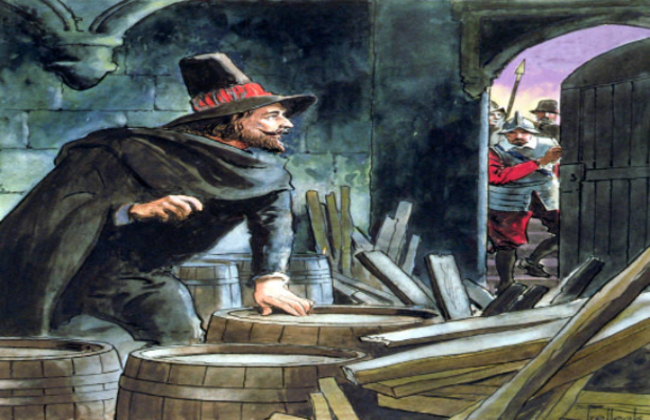
Enter the infamous Guy Fawkes and his fellow conspirators, a motley blend of disgruntled Catholics who believed that blowing up parliament was the perfect recipe for reform. After all, nothing says ‘change’ quite like a royal explosion! Though Fawkes was not the main mastermind behind the pursuit, he was the one to light the fuse. Born in York in 1570, Fawkes was raised by his Protestant father and Catholic mother. Through participation in Spain’s war against the enemies of Protestantism, he became versatile in explosives and gunpowder. After planning together in a pub (of course), the schemers stockpiled an impressive 36 barrels of gunpowder – enough to reduce the House of Lords to ruin, taking a large chunk of the country’s authorities, including the king, his heir Henry, and an extensive number of the nobility.
However, fate, or perhaps just sheer incompetence, had other plans. An anonymous letter sent to a fellow Catholic, Lord Monteagle, essentially said, “Hey bud, don’t show up to parliament next week. Trust me, it’s going to be lit – literally.” Monteagle, likely with a raised eyebrow and slight chuckle, swiftly passed this on to the higher-ups. As a result, on the night of November 5th, Fawkes was promptly captured alongside his barrels, hiding beneath the Palace of Westminster with fuses ready in his pockets. Evidence? Check.
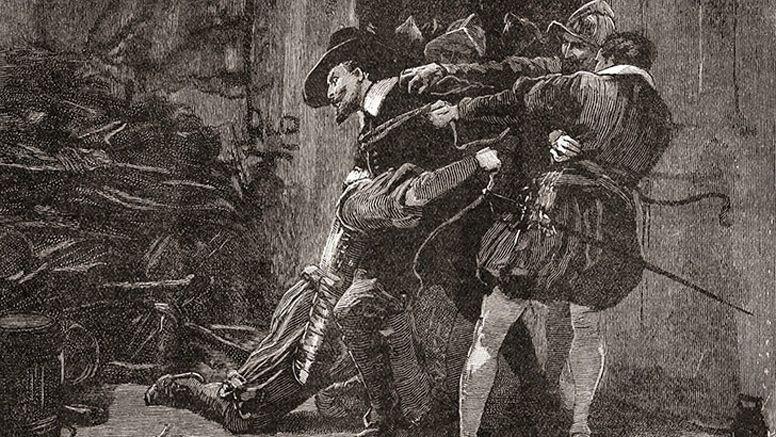
The aftermath was a whirlwind of executions, treason trials, and a massive crackdown on Catholics. Fawkes, along with many of his comrades, were confronted with being hanged, drawn, and quartered, and on January 31st, 1606, the execution took place. But even so, each year, the skies are filled with vibrant bursts, commemorating this man’s daring actions. But why? After all, who decided that a close shave with domestic terrorism deserved a merry extravaganza?
The first Bonfire Night, on November 5, 1606, wasn’t a celebration; it was a stark reminder of treachery and betrayal. Though nowadays most only fixate on the colourful eruptions, it’s important to recognise the dark and daring history behind the occasion, and the subsequent consequences had it played out just a bit differently. So as we sit watching the sky ablaze with radiance, do remember the melancholy haze of history that brought it all into being.
 Chronicles of History
Leave a comment