Babylon’s Ancient Rule Book
Imagine this: it’s 1750 BCE, and you’re living in ancient Babylon, a vibrant city in the heart of Mesopotamia. Life is pretty good, that is till your neighbor’s goat decides where its next snack spot is—your garden. With your crops (and your dignity) now severely trampled, a dilemma presents itself. Do you inflict revenge upon the goat? March over to your neighbor’s abode demanding justice? Thankfully, Babylon had a suitable solution—one of history’s first written laws, the Code of Hammurabi.
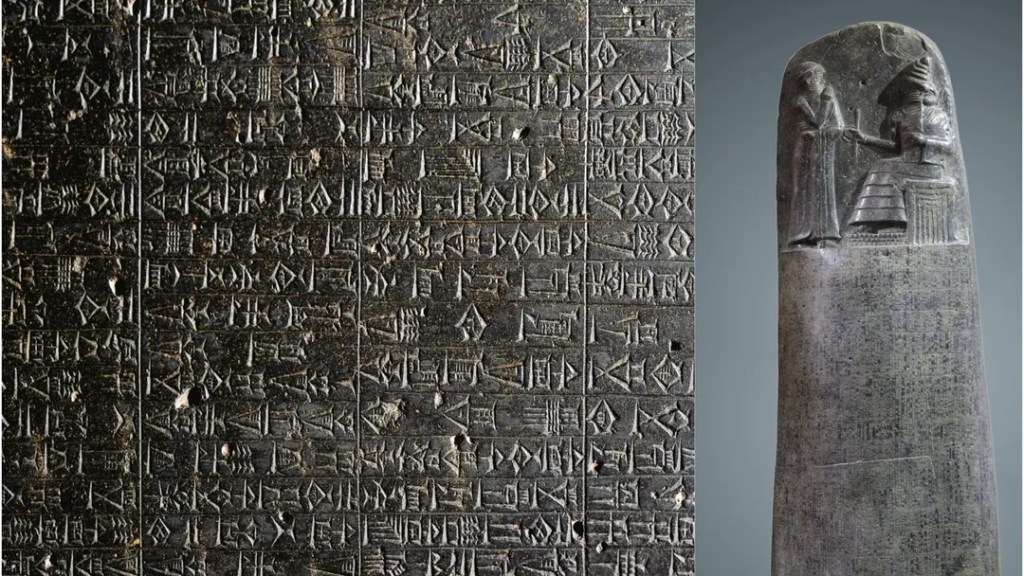
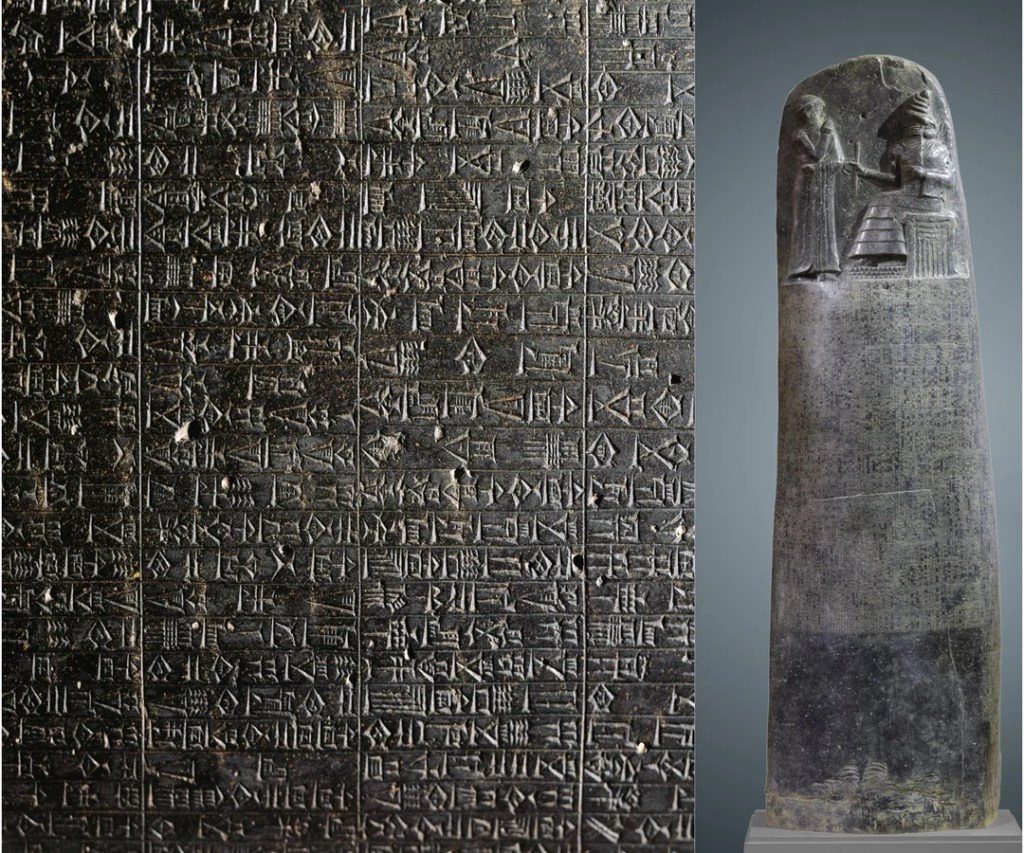
Hammurabi, ruler from 1792 to 1750 BCE, turned Babylon into an influential city-state. However, a king not only conquered but also had to preserve order, and as Babylon expanded, so did the need for rules. Therefore, Hammurabi had a brilliant thought: write down the decrees for all to gaze upon. And not just a few laws, 282 laws, covering everything from theft to business deals, and yes, even rampaging runaway goats. However, he didn’t stop at simply writing them out. Hammurabi had his laws engraved into a stone stele, a 7-foot-tall monument established in a public space, witnessed by all regardless of whether you were an affluent merchant or a humble farmer. None could claim ignorance.
The Code, aimed to facilitate the city’s rapid expansion, involves several examples of literal payback, “an eye for an eye”. A few include:
“If a man destroys the eye of another man, they shall destroy his eye.” This is the prominent one, lex talionis, or law of retaliation. Justice in Babylon was all about balance.
“If a builder constructs a house and it collapses, killing the owner, the builder shall be put to death.” Talk about risky occupations! Builders in Babylon had to make sure their work was solid. Poor structures didn’t just cost reputation; they could cost your life.
“If a man strikes a free-born woman and causes her to miscarry, he shall pay ten shekels of silver.”
Not all punishments were physical, as justice often came as a fine. In this case, the damage was severe enough to warrant a significant penalty- ten shekels was a hefty sum at the time.
What’s interesting about the Code is that it wasn’t a one-size-fits-all system. Punishment could be decided according to your social class. The three major classes of Babylonian society were the awilu (upper-class free citizens), the mushkenu (free men of lower status), and the wardu (the slaves). So if you were a slave being condemned, you may find yourself getting punished far harsher than the well-born fellow in the next cell for the same crime! Unfair? Not according to Hammurabi.
The Code didn’t just deal with criminalities; it also set statutes for everyday life. Babylon was a bustling trade center, with a complex economy that influenced faraway lands. Hammurabi’s laws dictated farmland leasing, proper use of irrigation canals, and much more, keeping Babylon’s agricultural and commerce systems running smoothly. Additionally, family life including matrimony, divorce, and heritage were all laid out in detail. Women had a right to their dowries, with marriage contracts being common. Children’s inheritance rights were protected, though fathers could disinherit a child under specific circumstances.
You might be wondering what an outdated set of laws has to do with us now. Quite a bit. The Code of Hammurabi wasn’t just some random ancient curiosity – it was a game changer for how societies dealt with fairness. By writing laws to be available to the public, Hammurabi made a society where everyone knew what was expected of them. This concept of codified laws, with rules written and constantly applied, paved the way for the legal systems we use today ( thankfully no longer “an eye for an eye”). It was one of the first phases towards a civilisation where justice was not just about who was the most powerful but about rules that everyone had to follow. And if you’re ever in Paris, do check out the original stone slab at the Louvre Museum! It’s a reminder that even thousands of years ago, people were working to create order in a complex world.


 Chronicles of History
Leave a comment